Bifocal glasses, progressive lenses, and contacts for reading

From bifocal reading glasses to progressive lenses to contacts made for reading, finding the right vision aid isn’t a one-size-fits-all deal. You’ll want to consider several factors, including comfort, vision strength, appearance, and the type of lens needed for your specific vision needs.  


The right pair of reading glasses can’t be found over the counter (OTC) at your local convenience store. If you’re wondering whether you need reading glasses, you should arrange an eye exam to help determine if your eyes have a refractive error, such as farsightedness or presbyopia (commonly seen in aging eyes).  


At Pearle Vision, our eye doctors can check your vision and write you a prescription for reading glasses or contact lenses. Learn more about reading glasses and the options available to you below.

What are bifocal reading glasses?

What are bifocal reading glasses?


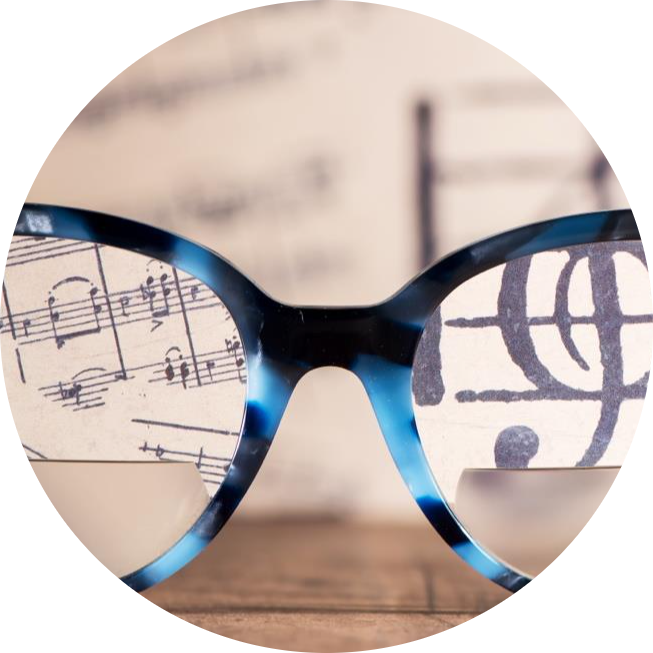
Bifocal reading glasses combine two prescriptions into one with a lens that corrects nearsightedness or Myopia (distance vision) on top and farsightedness (reading vision) on the bottom. These glasses allow you to see things from afar while magnifying words on a page or screen without switching your glasses. Traditional bifocal reading glasses typically have a thin line, separating where the two prescriptions meet.

Types of bifocal reading glasses


Bifocal readers come in different styles to help with near and far vision. Here are some common types: 


  • Round-Top Bifocals: The reading area is a small, semi-circular section at the bottom of the lens. This design creates a softer look and a more gradual shift between prescriptions. 

  • Flat-Top (D-Segment) Bifocals: One of the most popular styles, these have a near-vision section shaped like a "D" on its side. They provide a wide reading area while keeping distance vision clear. 

  • Curved-Top Bifocals: Like flat-top lenses but with a rounded upper edge for a more subtle appearance. 

  • Ribbon-Segment Bifocals: These have a narrow, rectangular reading section, making it easier to see above and below the close-up area. 

  • Split-Lens (Benjamin Franklin) Bifocals: Inspired by Benjamin Franklin’s original design, these lenses are made of two separate pieces—the top half for distance and the bottom half for reading—combined into a single lens. 

  • Fused Bifocals: These have a built-in near-vision section made from a different type of glass, allowing for a more distinct transition between distance and close-up vision. 


Each style has benefits, depending on your vision needs and daily activities. If you want a more seamless transition between distances, progressive lenses may be a good alternative to bifocals. 

What are progressive reading glasses?

What are progressive reading glasses?


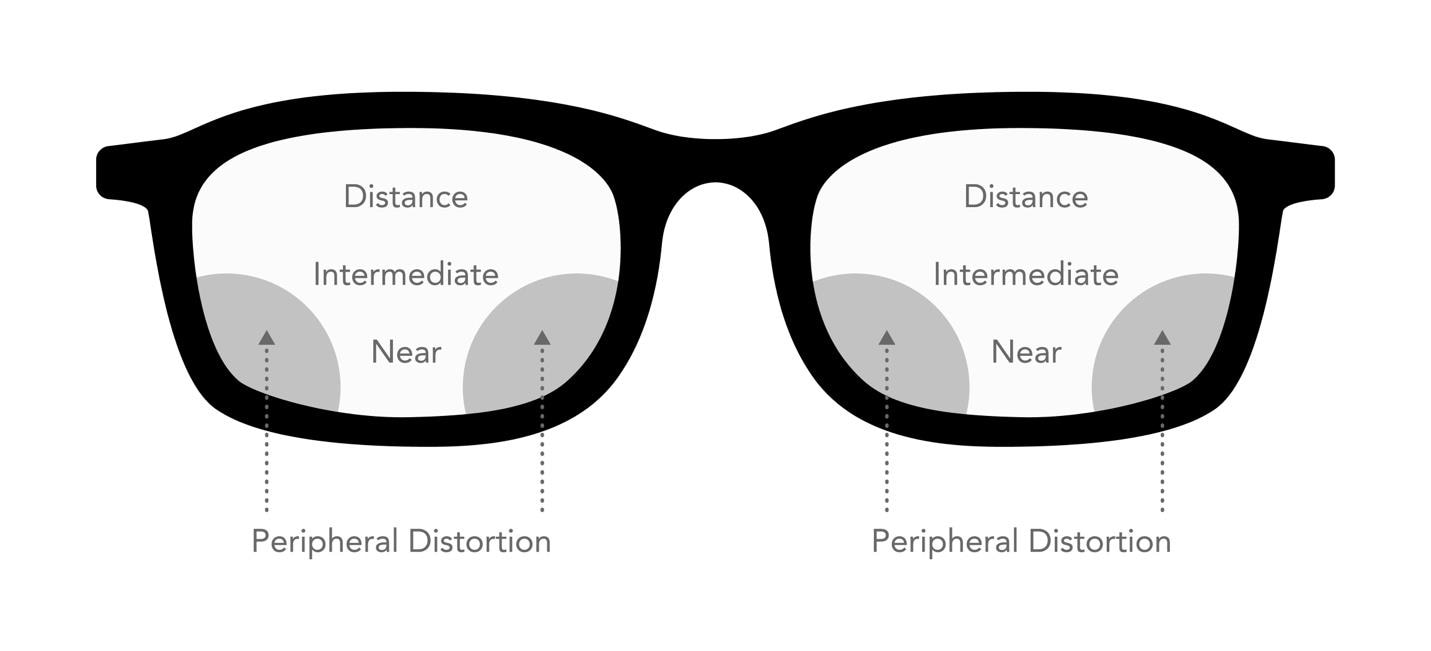
You can also find progressive reading glasses with no visible line separating the near and far vision components. Unlike traditional bifocals, progressives are designed with a single lens that gradually changes through three levels of magnification. 


With progressive bifocal reading glasses, the top of the lens is clear, allowing you to see as you normally would. As your eyes travel toward the bottom of the lens, the magnification will slowly increase in strength. This makes for an easy transition with a sleek, no-line design.

Types of progressive reading glasses


There are several types of progressive lenses to suit different needs, activities, and preferences:


  • Standard Progressive Lenses: These provide a smooth transition from distance to near vision in a single lens. They are not customized to individual measurements, which may result in narrower viewing areas.
  • Premium Progressive Lenses: These lenses are tailored to your dominant eye and frame choice, offering a more personalized visual experience with wider fields of vision.
  • Short Corridor Progressive Lenses: These lenses are designed for smaller frames and have a more compact design, which may result in smaller viewing areas.
  • Computer Progressive Lenses: Also known as "near variable focus lenses," these are ideal for those who spend extended periods on computers. They provide optimal vision for screen distance and reduce eye strain.
  • Transition Progressive Lenses: These lenses automatically darken in sunlight, combining the benefits of progressive lenses with sun protection for added convenience.


Our eyecare experts are happy to discuss the different progressive lens types so you can make the right choice for your needs and lifestyle.

What are contact lenses for reading?

What are contact lenses for reading?


Contact lenses for reading help people see clearly at different distances, like bifocal or progressive glasses. They combine near and far vision correction, making them a convenient option for those with difficulty focusing on close-up objects.


If you’d like to take a break from wearing glasses, reading contact lenses make for a great solution.

Types of contacts for reading


There are two types of contacts that can help focus your vision when reading:


  • Mono Vision Contacts: These reading contacts have a prescription for near vision in one eye and far vision in the other. While it takes some time to adjust, the brain will signal which eye needs to take over as you alternate between distance and near viewing.
  • Multifocal Contacts: This is a newer option that features multiple zones of vision in both lenses, allowing you to use both eyes at once.


Nervous about contact lenses? Arrange an appointment at your neighbourhood Pearle Vision EyeCare Centre. Our experts can help answer all your questions and measure your eyes for a comfortable fit.

How to tell if you need reading glasses


Here are a few signs you may need reading glasses:


  • Holding your phone, books, or menus at arm’s length to see clearly
  • Blurry vision up close
  • Frequent eye strain, headaches, or tired eyes after reading
  • Increased difficulty seeing in dim lighting
  • Small print seems to blur, or you experience double vision while reading


If you experience any of the above, you may have presbyopia—a natural aging process that makes it harder to focus on near objects.


You may also have more serious vision issues that cannot be fixed with OTC reading glasses. If anything on the above list feels familiar, see your optometrist.


Also, if you have children, watch for signs of vision issues. If you notice your child squinting excessively to see or complaining about fatigue when reading, arrange an eye exam as soon as possible. Your optometrist can help determine if children’s reading glasses are necessary. Annual eye exams can help identify any refractive errors or developmental changes in their eyes early on.

How to choose reading glasses or contacts

How to choose reading glasses or contacts


Choosing the right reading glasses or contacts involves understanding your vision needs and daily activities.


If you require correction for distance and near vision, bifocal reading glasses offer two distinct sections: the upper part for distance and the lower part for reading. However, the visible line separating these sections can be noticeable.


Progressive lenses provide a seamless transition between distance, intermediate, and near vision without visible lines. This creates a more natural viewing experience, but progressives can take longer to adjust to and tend to be more expensive than bifocals due to their advanced design.


For those who prefer a glasses-free look, multifocal contact lenses can correct both near and distance vision in a single lens.


Consider your daily routine: computer progressives can be a great option if you spend long hours looking at a digital screen, as they enhance mid-range and near vision. Bifocals might suit you better if you prefer a clear distinction between near and far vision.


Consulting with an eye care professional can help determine the best choice for your lifestyle and vision requirements.

Do you need a prescription for reading glasses?


You don’t always need a prescription for reading glasses. OTC reading glasses can be convenient for occasional use. However, they’re made with the same power in both lenses and don’t correct for astigmatism.


A prescription pair may be necessary if you experience headaches, eye strain, or blurry vision with OTC readers. An eye exam can determine the right strength and ensure there are no underlying vision issues, such as astigmatism or different prescriptions in each eye that require custom lenses.

Enhancing your reading glasses


Before committing to a pair of reading glasses, you’ll also want to consider adding special coatings to enhance the performance and quality of your prescription lenses. Here are some of the more popular options that can’t be found on OTC glasses:


  • Anti-Glare Coating: Anti-glare reading glasses help eliminate reflections from your lenses, improving your vision when reading or staring at a digital screen.
  • Scratch-Resistant Coating: This coating gives your lenses a harder surface, making them more resistant to scratches and prolonging their lifespan.
  • Mirrored Coating: This coating makes the outside of the lens look like a mirror and prevents light from reflecting into the eye.

Arrange an appointment for easier reading


Stop suffering through inconvenient, blurry, and headache-inducing reading experiences. The right pair of glasses or lenses can make a huge difference in your everyday life.


We know that choosing the right pair of reading glasses can feel overwhelming, especially if you need to use your vision benefits before they expire. We’re here to answer all your questions and guide you through the decision-making process.


Arrange your eye exam today to speak with one of our eye care experts about glasses or contacts for reading.

Arrange your eye exam in a few steps

Choose your location

Select the number of patients

Arrange a time

Add to your calendar

FAQ

Stay up-to-date

Get the latest on our special deals, new collections, and more.

By clicking “Sign up”, I confirm that I am over 18 years old and I agree that my personal data can be used by Luxottica of America, Inc. to send me news, special offers, and other marketing communications. For further information, see our Privacy Policy, and Terms & Conditions.

*Eye exams available by Independent Doctors of Optometry at or next to Pearle Vision. Doctors in some provinces are employed by Pearle Vision.

© 2026 Pearle Vision. All Rights Reserved.

Bifocal Glasses & Contacts for Reading | Pearle Vision