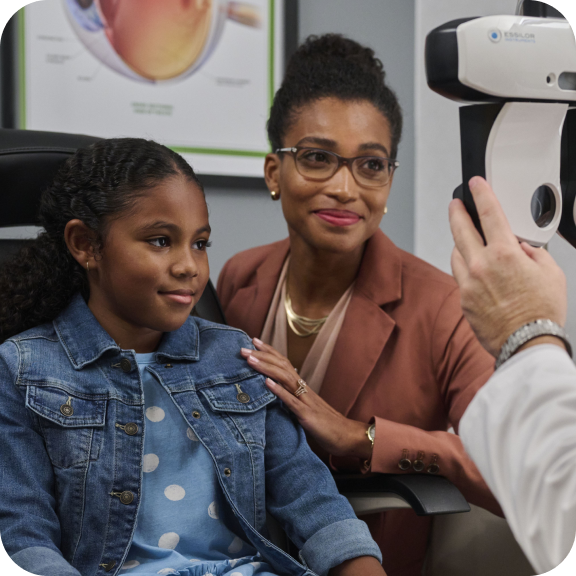
The benefits of getting regular eye exams
General eye care and maintenance
Eye exams aren’t only for detecting serious health problems; they also help keep your vision sharp and comfortable. Regular eye exams ensure you have the right prescription for your glasses or contacts, preventing issues like eye strain, headaches, or difficulty focusing during everyday tasks such as reading, driving, or working on a computer.
Eye exams also provide insight into lifestyle habits that may be affecting your eyes. For instance, your optometrist can spot signs of digital eye strain from excess screen time and suggest simple changes to enhance your eye health. These adjustments can reduce discomfort and protect your vision long-term.
Detect serious health issues
Many people underestimate the value of a comprehensive eye exam. Having 20/20 vision does not always mean your eyes are healthy. Even if you never had eye problems as a child, they can develop later in life. Serious eye diseases often show no warning signs in their early stages. Regular eye exams allow an optometrist to detect issues early and prevent complications. A routine check-up can help identify and reduce the risk of conditions such as:
- Glaucoma: A condition caused by increased pressure inside the eye. If untreated, it can damage the optic nerve, leading to tunnel vision and potential vision loss. Early diagnosis is critical, as many people experience no symptoms until the damage has already begun.
- Cataracts: A gradual clouding of the eye’s lens. Although cataracts can cause vision loss, treatment is available. Your Pearle Vision optometrist can connect you with a specialist for care.
- Diabetic eye disease: A complication of diabetes that affects the retina’s blood vessels. Diabetic retinopathy often develops without noticeable symptoms until vision loss occurs. It is one of the leading causes of blindness in adults, and untreated cases can result in permanent vision loss.
At Pearle Vision, our optometrists use a variety of tests to detect these conditions as early as possible. Do not wait for symptoms to appear before scheduling an exam. Preventive care is one of the best ways to protect your eyes and maintain clear vision.