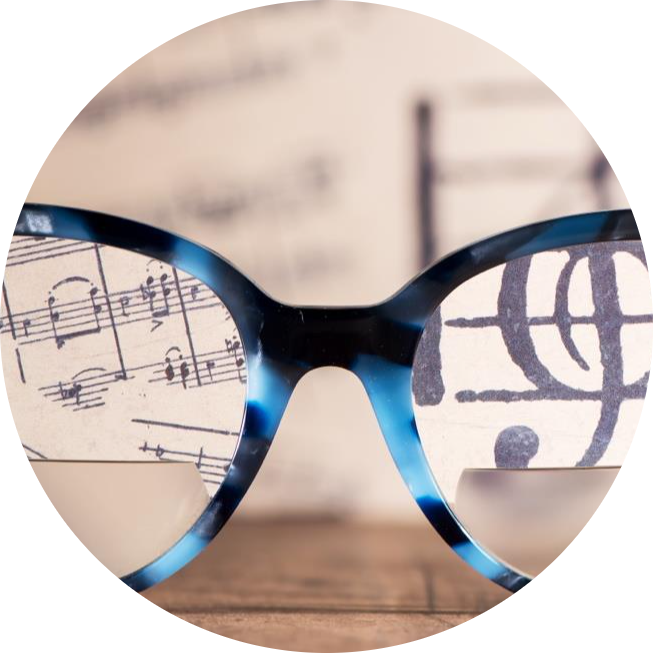
Bifocal readers come in different styles to help with near and far vision. Here are some common types:
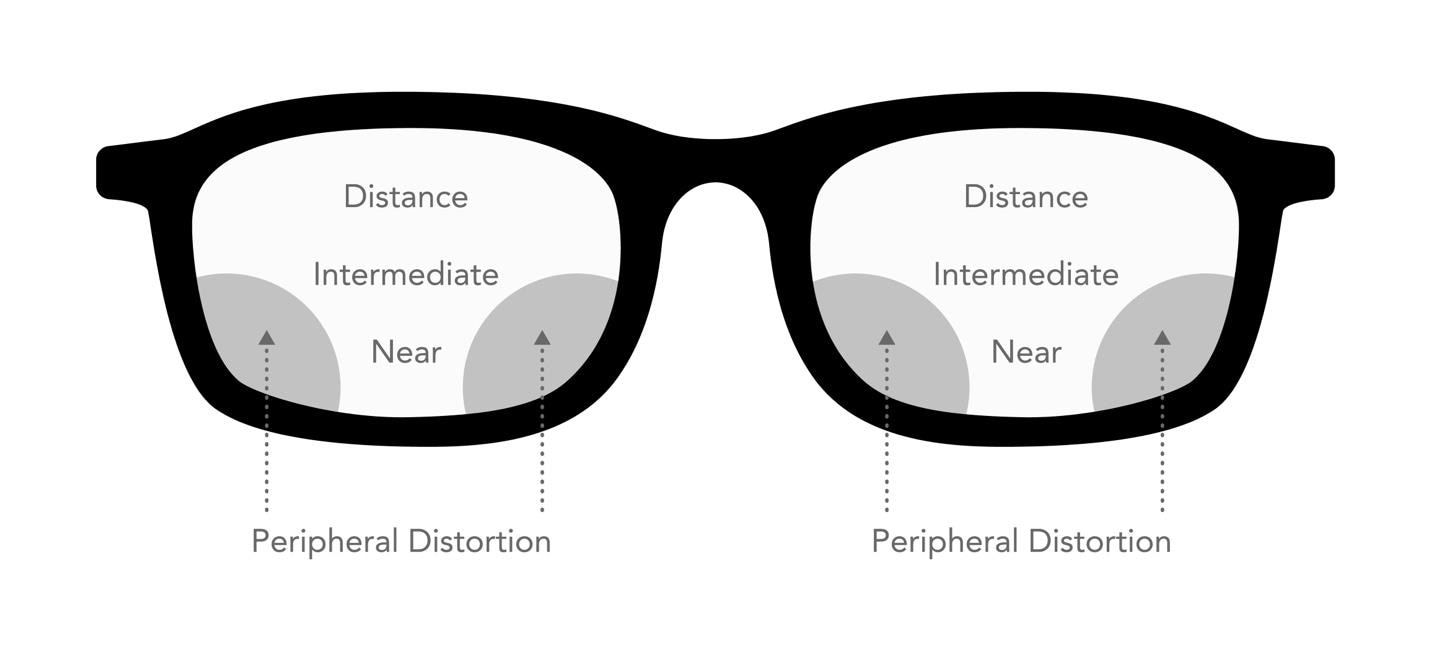
Each style has benefits, depending on your vision needs and daily activities. If you want a more seamless transition between distances, progressive lenses may be a good alternative to bifocals.
There are several types of progressive lenses to suit different needs, activities, and preferences:
Our eyecare experts are happy to discuss the different progressive lens types so you can make the right choice for your needs and lifestyle.
There are two types of contacts that can help focus your vision when reading:
Nervous about contact lenses? Schedule an appointment at your neighborhood Pearle Vision EyeCare Center. Our experts can help answer all your questions and measure your eyes for a comfortable fit.
Here are a few signs you may need reading glasses:
If you experience any of the above, you may have presbyopia—a natural aging process that makes it harder to focus on near objects.
You may also have more serious vision issues that cannot be fixed with OTC reading glasses. If anything on the above list feels familiar, see your optometrist.
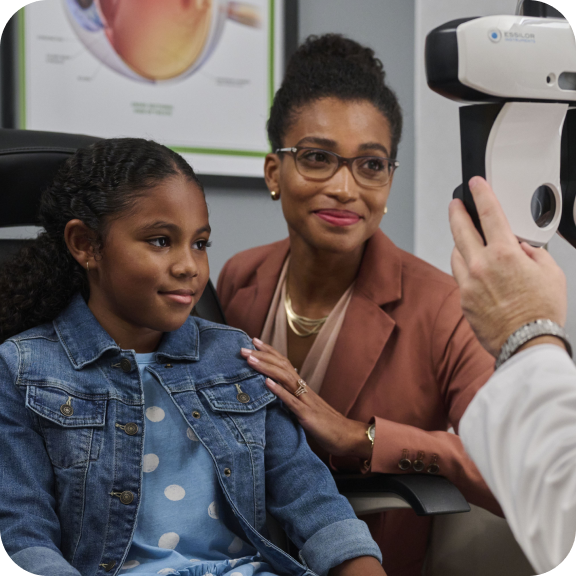
Also, if you have children, watch for signs of vision issues. If you notice your child squinting excessively to see or complaining about fatigue when reading, schedule an eye exam as soon as possible. Your optometrist can help determine if children’s reading glasses are necessary. Annual eye exams can help identify any refractive errors or developmental changes in their eyes early on.
You don’t always need a prescription for reading glasses. OTC reading glasses can be convenient for occasional use. However, they’re made with the same power in both lenses and don’t correct for astigmatism.
A prescription pair may be necessary if you experience headaches, eye strain, or blurry vision with OTC readers. An eye exam can determine the right strength and ensure there are no underlying vision issues, such as astigmatism or different prescriptions in each eye that require custom lenses.
Before committing to a pair of reading glasses, you’ll also want to consider adding special coatings to enhance the performance and quality of your prescription lenses. Here are some of the more popular options that can’t be found on OTC glasses:
Stop suffering through inconvenient, blurry, and headache-inducing reading experiences. The right pair of glasses or lenses can make a huge difference in your everyday life.
We know that choosing the right pair of reading glasses can feel overwhelming, especially if you need to use your vision benefits before they expire. We’re here to answer all your questions and guide you through the decision-making process.
Schedule your eye exam today to speak with one of our eye care experts about glasses or contacts for reading.
Choose your location
Select how many patients
Schedule an eye exam
Add to calendar